
Why is Gambling So Addictive?

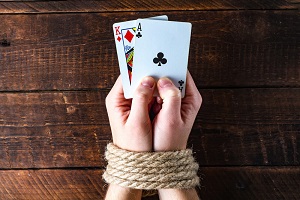
There are always mixed emotions when it comes to gambling and whether it’s a healthy way to spend your time and money. The consensus has always been that gambling is addictive and therefore bad. However, why is gambling so addictive and does this notion apply to all players?
Below, we discuss the possible reasons why gambling may be addictive and provide as many suggestions on how to deal with addiction.
Is Gambling Addictive?
The short answer to this is yes, gambling is addictive and there’s no denying that. Casinos also don’t try to hide the fact that it is. Many online casinos in particular offer various problem gambling solutions to players who suspect that they might have a problem. There are also certain self-exclusion measures that players can implement to limit how much they spend or how long they gamble for.

How Do People Become Addicted?
The brain is wired to react a certain way when it comes to pleasurable or enjoyable activities and the sensation that comes with it. Studies say that brains have a series of circuits that is known as the reward system and this system is connected to pleasure centres throughout the brain.
Rewarding experiences like winning real money on a casino, eating amazing food, or dancing causes the brain to releases signals to the body via neurotransmitters that can either stimulate you in a happy way or depressive way. When you receive enough happy stimulation, you experience something called euphoria which motivates you to want to feel that feeling again and again. Now apply this concept to gambling – people feel extreme pleasure and thrill when they win, which is what motivates them to play.
In addition to winning, here are some of the other factors that might compel someone to keep playing:
- Loss aversion or ‘chasing your losses”
- Illusion of control
- Partial reinforcement
- Gamblers fallacy
How to Prevent Gambling Addiction
Gambling addiction can be very detrimental, which is why you need to tackle it as soon as you suspect that you might have a problem. Fortunately, there are ways that you can help yourself:
- Understand the problem: We’ve often heard people say that the first step to recovery is admitting that you have a problem. So, take time to understand gambling addiction and be honest with yourself about your status.
- Seek Support: The next step is to seek help. You can do this by speaking to someone or join a support group with people going through the same thing as you.
- Avoid Temptation: You can’t beat the problem by regularly going to the casino or browsing the internet unnecessarily when you know that you are easily tempted. Avoid the cause as much as possible.
- Find Other Hobbies: It’s probably a good idea to find something else to do in your spare time. There are many other enjoyable things to do that can bring the same kind of thrill and euphoria that gambling does. Some include sports, meditation, travelling and exploring new things.


